Advice · 5 min read
Cedar Hedge Maintenance: A Guide for Your Hedge in Montérégie
Cedar hedge maintenance is about keeping a hedge dense and healthy without weakening it. In Montérégie, trimming happens once the year's new growth is out, from late June through fall. Describe your hedge in the online quote for a written price in under 3 minutes, no site visit required.
Gemme sa taille ·
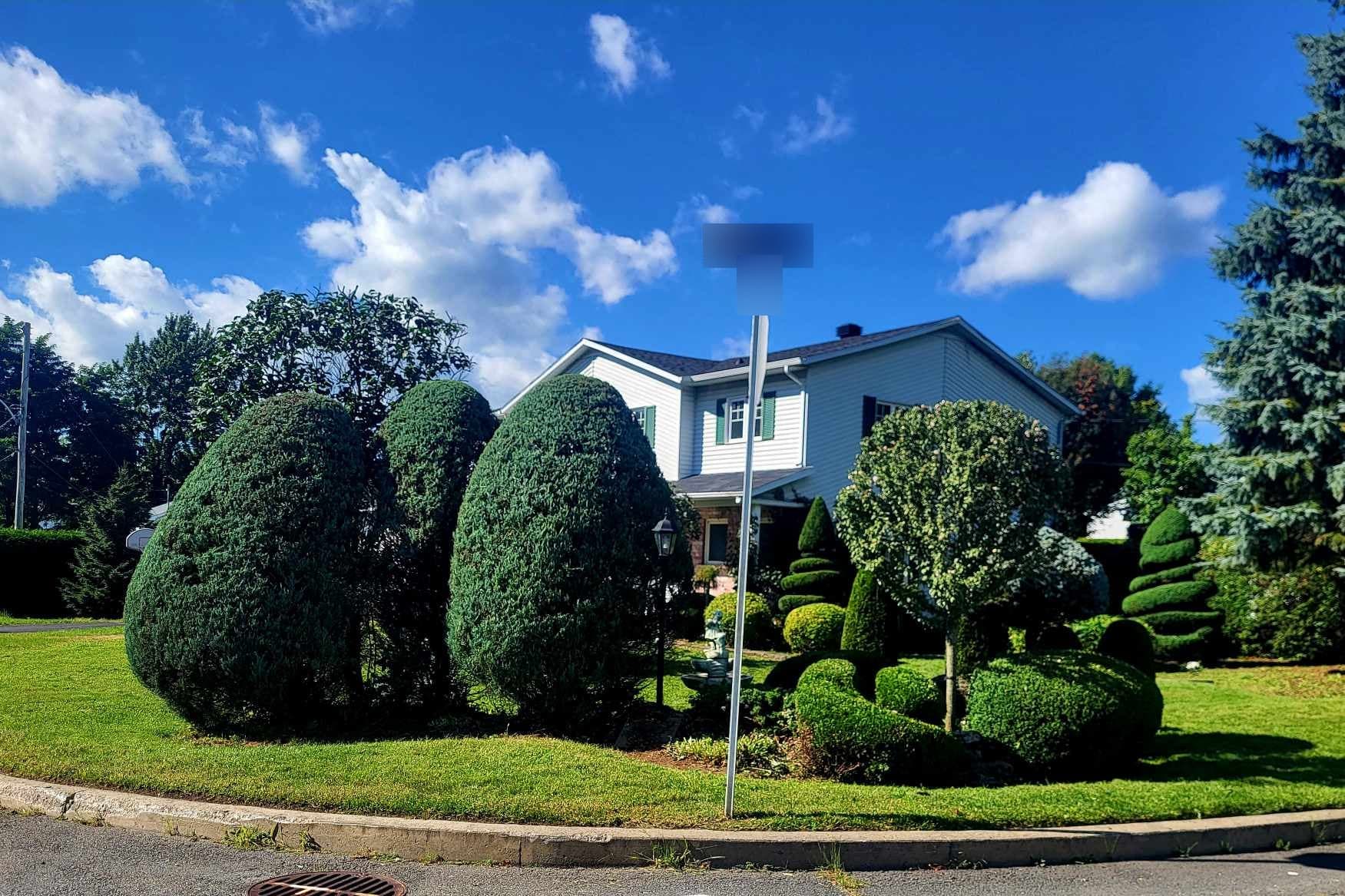
Cedar Hedge Maintenance Trimming, as Seen From Granby
Gemme sa taille Inc. is a Granby-based company that coordinates a network of partner trimmers active in eight regions of Quebec: Montérégie, Montreal's South Shore, Montreal's North Shore, Montreal, the Laurentians, the Eastern Townships, Quebec City, and Saguenay-Lac-Saint-Jean (service areas). Maintenance trimming is one of six types of trimming offered. It's meant to keep an already well-shaped cedar hedge at its current size, year after year, without trying to shrink it or reshape it. It's the most common type of trim for a healthy hedge that simply needs a regular refresh.
When to Trim Your Cedar Hedge in Montérégie
Trimming season runs from mid-April to late October, but the actual trim is done once the year's new growth is well out, generally from late June through fall. Trimming too early, before new growth is visible, makes it hard to judge where to cut without hitting old wood. Cedar doesn't bounce back well from bare, needle-less wood, so timing matters just as much as technique.
In Montérégie, this schedule applies without any major difference from the rest of southern Quebec. The same caution applies everywhere: wait until new growth is out before planning a trim.
The Six Types of Trimming, and Which One Fits Your Hedge
The network offers six types of trimming, each with a different goal:
- Maintenance: keep the current shape and size of a hedge that's already in good condition.
- Formation: structure a young or recently planted hedge to guide its growth.
- Rejuvenation: restore density to a hedge with gaps or thinning spots.
- Reduction: bring down a hedge that's grown too tall or too wide, done gradually.
- Severe: a more significant intervention, reserved for hedges neglected for a long time.
- Decorative: sculpt shapes like balls, cones, or spirals, on shrubs, conifers, or deciduous plants (types of trimming).
The right choice depends on the actual condition of your hedge, not just the result you're hoping for. A thin, patchy hedge won't suddenly become dense just because it gets trimmed more aggressively.
What Makes the Price of a Cedar Hedge Trim Vary
The price is never fixed, because every hedge is different. Factors that affect cost include:
- The height, width, and total length of the hedge.
- The overall condition: a well-maintained hedge generally requires less work than one neglected for several years.
- The type of trim needed, among the six options.
- Access to the property and any obstacles around the hedge.
- How often it's been trimmed in the past.
Rather than trying to guess a price, the simplest way is to describe your hedge in the online quote: you get a written price in under 3 minutes, based on the dimensions you provide, without needing a trimmer to come out to your property.
Common Mistakes to Avoid With a Cedar Hedge
- Trimming before new growth is out: this makes it harder to judge where exactly to cut.
- Cutting into old, needle-less wood: cedar doesn't easily fill back in there.
- Trimming into an inverted pyramid shape: a hedge wider at the top than at the base ends up starving the bottom of light. The opposite shape, narrower at the top, helps keep the hedge dense from top to bottom.
- Ignoring the hedge's actual condition: a badly neglected hedge sometimes needs a severe trim or a rejuvenation before it can go back to simple annual maintenance.
Cedar Hedges and Neighbours: What to Check
A hedge planted near a property line can become a source of disagreement with a neighbour, especially if it grows too tall or encroaches on the neighbouring property. Before taking any steps related to a dispute, it's best to check your municipality's bylaws, since they can set rules on allowed height or planting distances. Gemme sa taille handles the trimming itself, not neighbour mediation. For that kind of issue, the municipality remains the right resource.
Related reading:
Frequently asked questions
When should you cut a cedar hedge?
According to Gemme sa taille, trimming is done once the year's new growth is well out, generally from late June through fall, even though the trimming season runs from mid-April to late October. Trimming earlier makes it harder to judge the right cutting line.
What's the best time to trim a hedge?
The best time is after the new growth has fully come out, so from late June through fall. Before that, it's hard to tell where to cut without hitting old wood, which doesn't grow back well.
What should you do about a hedge issue with a neighbour?
You should first check your municipality's bylaws, which often set rules on allowed height and planting distances near a property line. Gemme sa taille handles cedar hedge trimming, not neighbour mediation.
How tall can a cedar grow?
An untrimmed cedar can reach a significant height over time, but in a maintained hedge, the height depends on the owner's preference and the type of trim applied, such as reduction or formation trimming. Maintenance trimming is specifically meant to preserve an already established height.
Is cedar hedge maintenance available outside Montérégie?
Yes, the Gemme sa taille network, based in Granby, serves eight regions of Quebec: Montérégie, Montreal's South and North Shores, Montreal, the Laurentians, the Eastern Townships, Quebec City, and Saguenay-Lac-Saint-Jean. You can check your region and describe your hedge directly in the online quote.